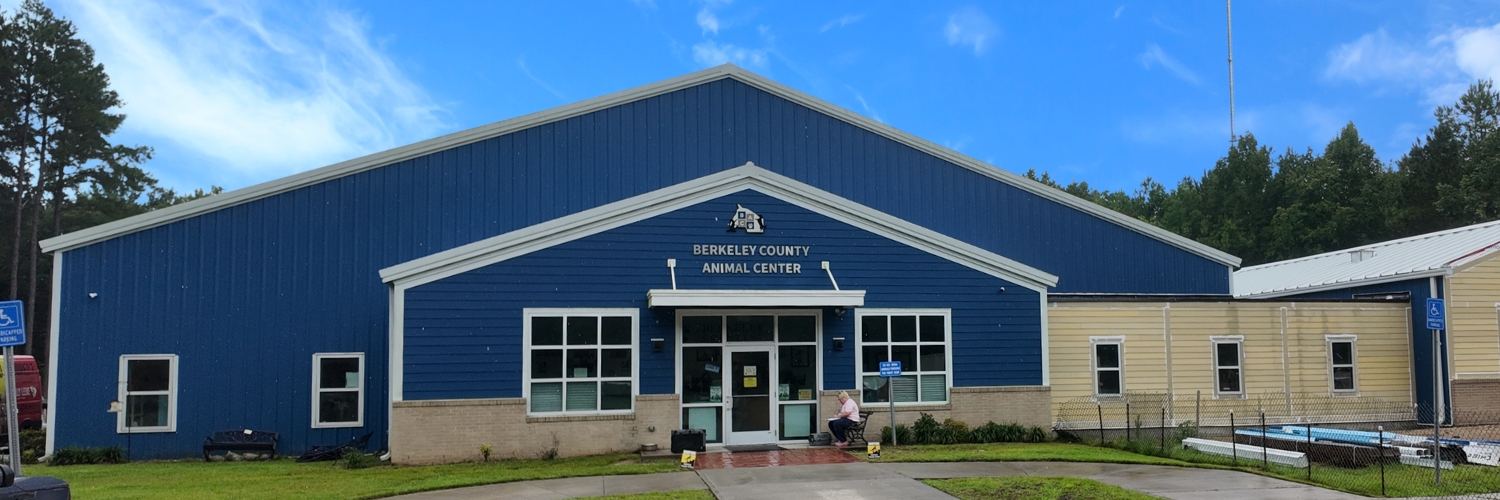
EUTHANASIA DROPS 43% IN FIRST YEAR OF CHARLESTON ANIMAL SOCIETY AND BERKELEY COUNTY PARTNERSHIPTransformational Results: Charleston Animal Society & Berkeley County Save Over 600 More Animal Lives as landmark partnership delivers data-backed shelter programs, expanded veterinary care, and major facility investments. (MONCKS CORNER, SC) — One year after entering a historic agreement to manage operations at the Berkeley County animal shelter, Charleston Animal Society presented remarkable results to the Berkeley County Council, highlighting a dramatic reduction in euthanasia and hundreds of saved lives in its inaugural year. Addressing county leadership, Charleston Animal Society Senior Vice President and Chief Operating Officer Aldwin Roman, CAWA, shared that since assuming operations on July 1, 2025, the strategic partnership has resulted in A 43% drop in euthanasia, compared to the previous year’s outcomes. “The most important thing I can tell this Council tonight is that 600 more animals are alive today that would not have been alive under the previous year’s outcomes,” said Roman. “Euthanasia dropped 43% in our first year — dog euthanasia fell 15% and cat euthanasia fell 53%. These are transformational results that reflect thousands of individual decisions made by staff, volunteers, foster families, and adopters, all working together.” The operational turnaround was achieved while overall intake actually decreased by 13%, driven by managed intake strategies that keep pets with their families or safely in their communities whenever possible, reserving shelter beds for animals in immediate need. KEY STRATEGIES DRIVING SUCCESSRoman emphasized that these achievements were the direct result of deliberate, research-backed animal welfare models implemented from day one of the partnership:
RECOGNIZING COMMUNITY PARTNERSRoman paid tribute to initial shelter leader Heather McDowell for laying crucial groundwork prior to the transition, as well as key leaders who have championed animal welfare in Berkeley County:
BRIGHT FUTURE AHEADBuilding on the successful first year, major infrastructure and program expansions are slated for completion in late 2026:
“Berkeley County made a bold decision one year ago, and the animals of this county are safer, healthier, and more likely to find homes because of it,” Roman added. “This is what happens when two groups truly work together in the best interest of animals. The work is not finished, but the foundation is strong, and the best is yet to come.” |